

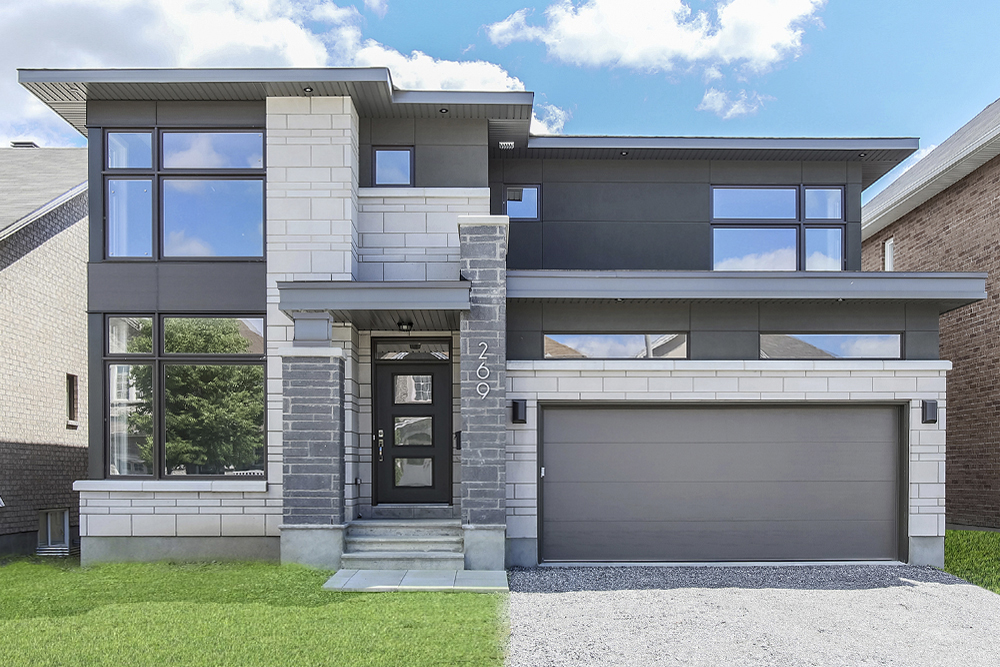
If you are in the early planning stages, you are probably wondering what it actually costs to build a custom home in Ottawa.
While every custom home project can vary, Ottawa homeowners can expect construction pricing to fall somewhere around $500 to $1,000 per square foot, before land and other soft costs are added. That range is a planning benchmark, not a final quote, and it can shift materially depending on the lot, design complexity, approvals, and finish level.
So while price per foot is a helpful starting point, it doesn’t tell the whole story.
A custom home budget in Ottawa is really made up of six moving parts:
1. Land
1. Land
2. Design and engineering
3. Permits and approvals
4. Construction
5. Finishes and upgrades
6. Servicing, landscaping, and final closeout
The better you understand each category, the easier it is to make informed decisions.
At Campanale, we walk homeowners through each step of the process. Our goal is to guide the first conversation through to final construction, to ensure you understand and feel good about where your investment is going.
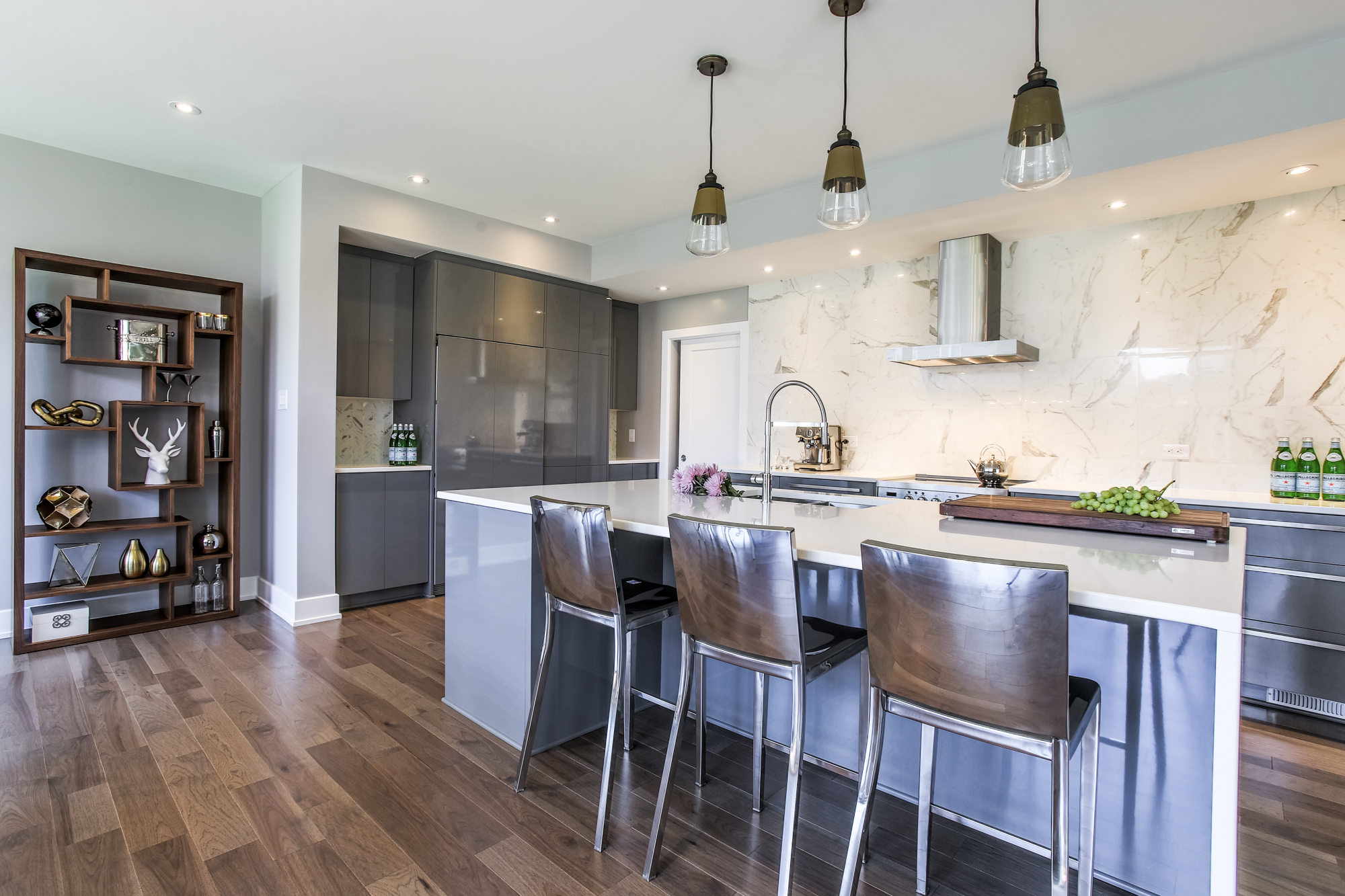
A Realistic Starting Point for 2026
For many Ottawa homeowners, the smartest way to budget is to separate the construction cost from the total project cost.
As a general planning guide, here’s what many custom homes in Ottawa look like:
- A 2,500-square-foot custom home could start around $1.25 million at $500 per square foot
- That same home could move to $1.75 million at $700 per square foot
- A more detailed, higher-end custom build could reach $2.5 million or more at $1,000 per square foot
Again, that is before many land and project-specific costs are layered in.
It is also important to remember that construction costs continue to change year to year. Statistics Canada reported that residential building construction costs rose 0.6% in the first quarter of 2026 and were up 2.8% year over year across the 15-CMA composite. That is one of the reasons we recommend leaving some flexibility in the budget. See Statistics Canada’s building construction price update.
1) Land Cost: The First Major Variable
Land can shape the entire budget before the home is even designed.
Not every lot is the same, and that can have a big impact on the budget. A project on a clean, build-ready lot is very different from one on a tight urban infill site, a property with mature trees, or a lot that requires more extensive grading, servicing, or demolition.
In Ottawa, the location of your property can matter just as much as the dream home you are planning to build on it. The City’s guidance for building or renovating in a mature neighbourhood explains how things like tree protection, zoning requirements, and neighbourhood character can all affect what gets built and how smoothly the process moves.
It is also worth noting that Ottawa’s new zoning by-law was approved in January 2026 and enacted in March 2026, so current projects need to account for updated zoning rules.
That is one of the reasons broad online building averages can be misleading. Two homeowners could build homes of the same size and still arrive at very different total budgets because one lot is straightforward to build on, while the other has additional site considerations.
2) Design and Engineering: Where Smart Planning Saves Money Later
Design costs are often underestimated, but they are one of the most important investments in the project.
At Campanale, we believe good planning pays off. Our custom home process is built around discovery, design, implementation, and completion, so decisions are made thoughtfully and early on rather than rushed later. You can see more about that on our Custom Homes & Renovations page.
This stage may include:
- Architectural design
- Drafting
- Structural engineering
- Mechanical planning
- Surveying
- Geotechnical review
- Site analysis
- Energy or performance planning
The real value here is not just producing drawings. It is aligning the home, the lot, and the budget before construction begins.
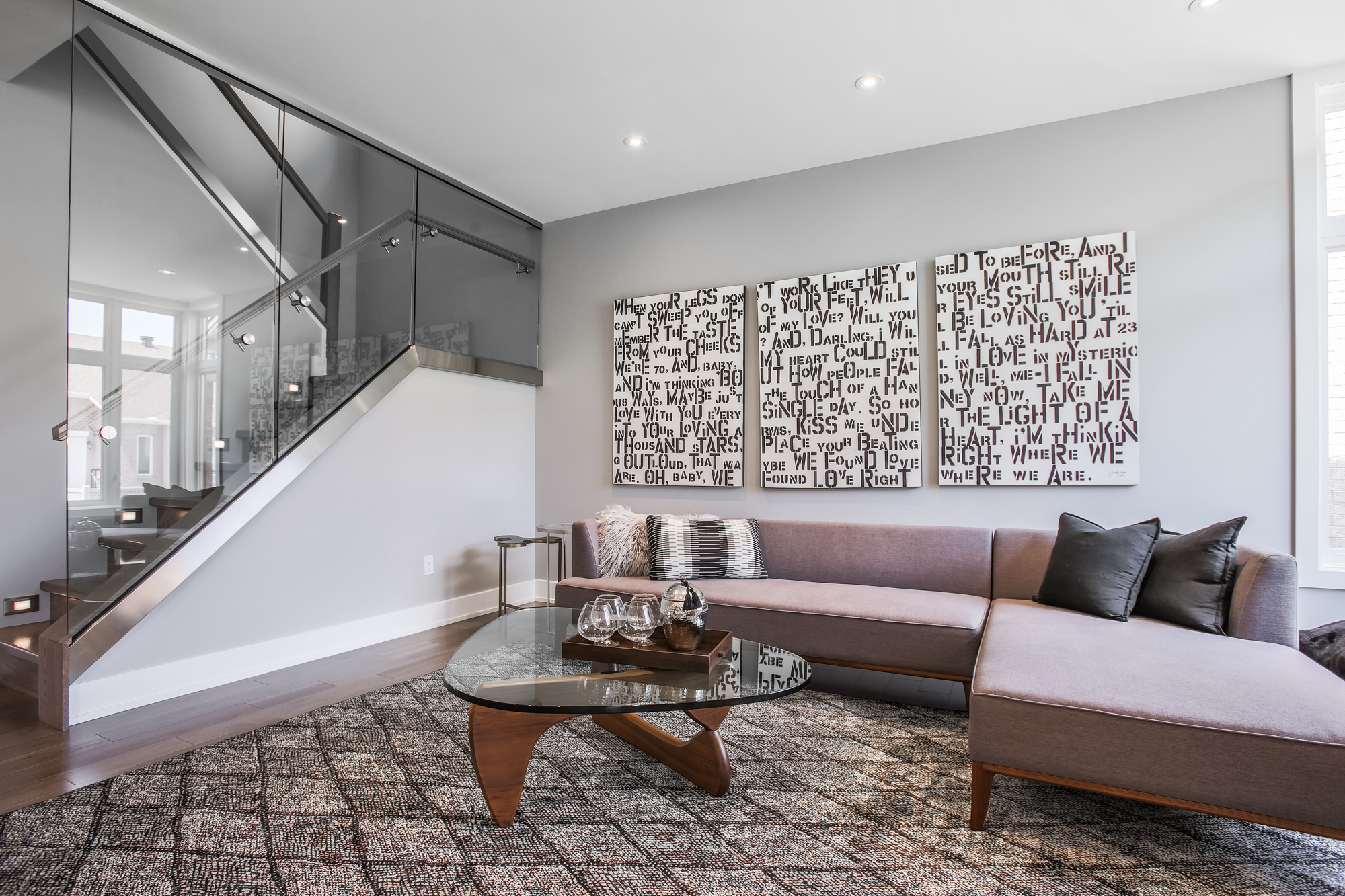
3) Permits and Approvals: Local Costs That Matter
Permits are not usually the biggest line item, but they are a real cost and should be accounted for early.
The City of Ottawa’s Comprehensive Building Code Fee Schedule notes a minimum fee of $117, with different calculation methods depending on type of application. The City also maintains a dedicated page on development charges, with rates adjusted by 3.6% as of April 1, 2026.
Depending on the project, your approvals budget may include:
- Building permit fees
- Development charges
- Additional planning-related reviews
- Supporting engineering documents
- Utility-related submissions or coordination
This is one of the reasons local experience matters. Ottawa’s approval path is not just about submitting paperwork. It is about understanding the lot, the neighbourhood, and the sequence of approvals needed to keep a project moving.
4) Construction Cost: The Core of the Budget
This is usually the category most homeowners think about first, and for good reason.
Construction is where the bulk of the custom home budget sits. That said, even within construction itself, there is a wide range between a more straightforward build and a highly detailed one.
What tends to increase construction cost?
- Complex architecture
- Custom structural requirements
- Premium windows and exterior materials
- Larger spans or more glazing
- Custom cabinetry and millwork
- Higher-end kitchens and bathrooms
- Upgraded mechanical systems
- More detailed trim and finish work
What helps keep the budget grounded?
- Clearer priorities from the start
- Fewer late-stage changes
- A design that is aligned with the lot
- Early finish selections
- A builder who is coordinating the entire process, not reacting to it
At Campanale, we know that building well is not just about getting to the finish line. It is about getting there with a clear plan, strong communication, and quality at every stage. That is really what we mean when we talk about The Campanale Advantage.
5) Finishes and Upgrades: Where Budgets Can Move Quickly
This is where the gap between two similar homes can be significant.
A home with standard cabinetry, simple flooring transitions, and straightforward bathrooms may stay within a more moderate custom budget. In contrast, a home with detailed millwork, imported tile, integrated appliances, designer lighting, feature staircases, or elevated stone packages can move the investment considerably higher.
That is why finishes should not be treated as small add-ons. They are a major driver of the final budget.
A better strategy is to decide early where you want the home to feel most elevated. For some homeowners, that is the kitchen. For others, it is the ensuite, the exterior materials, or even the overall energy performance. That clarity helps us price accurately and helps reduce the risk of costly last-minute changes.
6) Servicing, Utilities, Landscaping, and Closeout
This is one of the most commonly underestimated parts of the budget.
Hydro Ottawa’s pages on electrical service requests and contractor submissions make it clear that new services, upgrades, temporary disconnects, and infrastructure coordination are all part of the overall process. Hydro Ottawa also highlights that some electrical work in Ontario must be reported to the Electrical Safety Authority.
Depending on the property, this final category may include:
- Electrical servicing
- Water and sewer coordination
- Grading and drainage
- Driveway work
- Decks or exterior features
- Landscaping
- Cleanup and occupancy preparation
This is usually the stage where a project feels almost complete, even though there are still meaningful costs left before the finish line.
How Location Affects Custom Home Costs in Ottawa
Not every Ottawa custom home project behaves the same way. In many cases, where you build changes both cost and complexity.
Westboro and Other Mature Infill Areas
Westboro is a good example of an area where location adds value, but also adds planning considerations. Infill areas often mean tighter lots, more site constraints, mature trees, and more attention to neighbourhood fit. The City’s mature neighbourhood guidance is especially relevant here, since lot conditions and context can influence both approvals and design.
The Glebe and Heritage-Sensitive Areas
In parts of the Glebe and other heritage-sensitive areas, design and approvals may require more care. Heritage context can influence what is appropriate on a site and how smoothly the approval process moves. That does not automatically mean the project cannot proceed well, it just means the early planning stages tend to require more nuance and coordination.
Alta Vista
Established neighbourhoods like Alta Vista are often attractive to custom-home buyers because of larger lots, mature trees, and long-term neighbourhood stability. At the same time, those same features can introduce site-specific considerations like setbacks, tree protection, access, and how the build fits within the neighbourhood.
Manotick and Village-Style Settings
Manotick brings a different kind of cost conversation altogether. Village-style and more rural-adjacent settings can involve different servicing realities than central urban lots. Site, wells, septic systems, grading, and lot size can all influence the budget in ways that look very different from an infill project closer to the city core.
The takeaway is simple: neighbourhoods do not just influence land value. They also shape servicing, approvals, design strategy, and the overall level of complexity built into the budget.
What About Builder Credentials, Warranty, and Risk?
Cost matters, but so does who is actually building your home.
In Ontario, all new homes come with a builder warranty. Tarion explains that with Ontario’s new home warranty, by law, all new homes built in Ontario are covered both before possession and after move-in for construction defects. The Ontario Builder Directory also helps buyers confirm whether a builder is licensed and operating legally. The HCRA explains that the directory includes details such as licensing status, years of activity, homes built, and any regulatory actions.
This information helps put pricing into context, because the cheapest-looking number on paper is not always the safest number.
When comparing builders, ask:
- Is the builder properly licensed?
- Is the quote tied to a real scope?
- How are allowances handled?
- What level of finish is included?
- Who manages permits, consultants, and coordination?
- How are changes priced?
Those questions often have a bigger impact on your overall experience than the initial number alone.
So, How Much Should You Budget?
For many homeowners, the most honest answer is that the cost to build a custom home in Ottawa in 2026 should be treated as a layered project budget, not a single square-foot figure.
Construction may start at the lower end of Ottawa’s custom home range, but the full project cost can rise meaningfully once you factor in land, design, permits, development charges, servicing, and finish selections. Current Ottawa permit and development-charge frameworks, along with continued movement in residential construction costs, all reinforce the importance of early planning from the start.
A smarter early budget usually does five things:
- Separates land from build cost
- Includes room for design and engineering
- Expects municipal and utility-related costs
- Reflects real finish expectations
- Leaves enough flexibility for site-specific conditions
That is where better planning really begins.
Build With Clarity From the Start
A custom home should feel exciting, informed, and well guided!
At Campanale, we have been building in the Ottawa region since 1979. Our history and custom-home process reflect a long-standing commitment to thoughtful design, quality craftsmanship, and long-term relationships with the people we build for.
If you are starting to explore budget, timing, or whether a lot is the right fit, this is where a more detailed conversation can save time later on. You can explore more here on our Custom Homes & Renovations page, learn about The Campanale Advantage, or take a look at our history in Ottawa.
Book Your Personal Design Consultation
Frequently Asked Questions
What is the average cost to build a custom home in Ottawa in 2026?
A useful planning benchmark for a true custom build in Ottawa is roughly $500 to $1,000 per square foot, but that is only part of the story. Land, design, permits, servicing, and finishes all affect the final total.
Does land cost count as part of the custom home budget?
Yes. In many cases, land is one of the biggest variables in the entire project. The lot itself, site conditions, servicing needs, mature trees, and neighbourhood constraints can all change the total cost.
Are permits and development charges expensive in Ottawa?
They can be meaningful enough that they should always be budgeted early on. Ottawa has a formal building fee schedule, and the City states that development charge rates were adjusted by 3.6% as of April 1, 2026.
Which Ottawa neighbourhoods can make a custom home more complex?
Mature and infill-focused areas such as Westboro, heritage-sensitive areas such as parts of the Glebe, established neighbourhoods like Alta Vista, and village-style settings like Manotick can each introduce different planning, servicing, or design considerations.
How do I know if a builder is properly licensed in Ontario?
You can verify a builder through the Ontario Builder Directory, which is maintained by the HCRA. Tarion also explains the protections that apply to newly built homes in Ontario.