

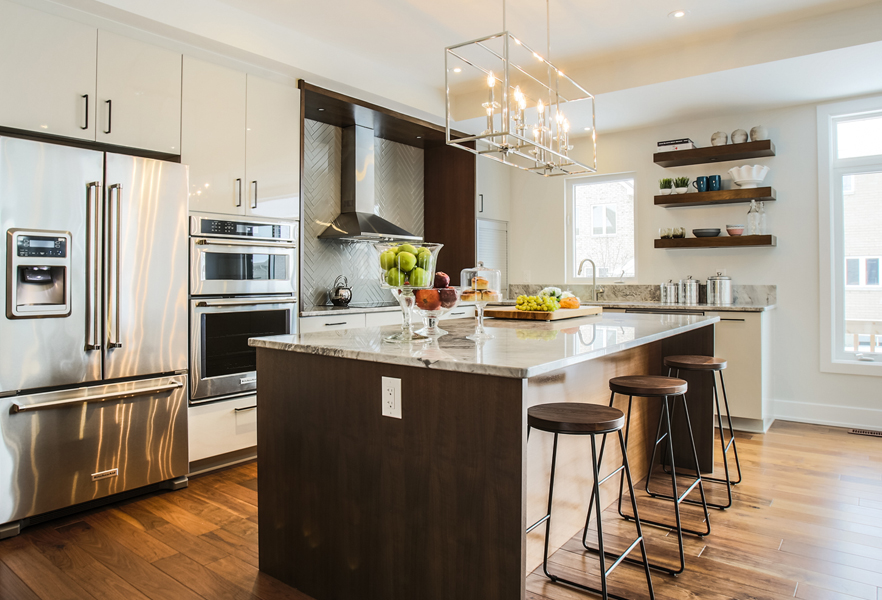
Building a custom home is exciting, but one of the first questions most people ask is simple: how long is this actually going to take?
In Ottawa, timelines are shaped by more than just construction. Permitting, site conditions, weather, and design decisions all play a role.
There’s no one-size-fits-all answer. A straightforward build on a ready lot will move differently than a home requiring zoning review, servicing work, or a more complex design. What matters most is understanding how the process unfolds — and working with a team that knows how to guide it. When expectations are set early and each stage is managed with care, the entire experience becomes far more manageable.
At Campanale, custom homes are approached through a structured, builder-led process — one that brings together planning, design, approvals, and construction under a single, coordinated approach. With decades of experience building across Ottawa, our focus is on aligning these stages early, so the process stays clear and predictable from the start.
Explore our Campanale Advantage to learn more about the values, quality, and service we bring to every project.
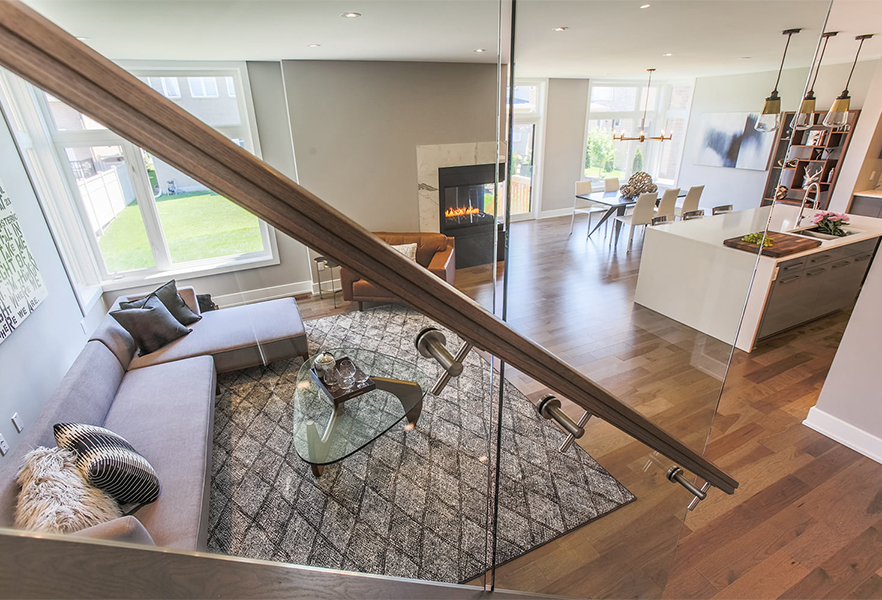
What Is the Typical Timeline for a Custom Home in Ottawa?
For most custom homes in Ottawa, the full process typically spans 12 to 24 months, from early planning through to move-in. Some projects move more quickly, while others take longer depending on site conditions, design, and approvals.
That timeline usually includes:
- Initial planning and consultation
- Design development
- Budgeting and approvals
- Permit preparation and submission
- Site preparation
- Construction
- Interior finishes
- Inspections, deficiencies, and closing steps
From our experience, timelines vary because a custom home isn’t just construction — it’s design, approvals, and coordination happening at the same time. The decisions made early on tend to set the pace for everything that follows.
In Ottawa, a few factors often influence timing:
- Whether the lot is already serviced and build-ready
- The complexity of the design
- The speed of municipal approvals
- Seasonal conditions
- The availability of trades and materials
- How quickly homeowners make selections and approve changes
At Campanale, we focus on aligning these elements early, managing design, approvals, and construction as one coordinated process. We’ve found that when everything is working together from the start, the timeline becomes more predictable and the experience far more straightforward.
Phase 1: Discovery, Vision, and Budget Planning
Every successful custom home starts with a clear vision.
This first stage is where homeowners define what they want, what matters most, and what budget range makes sense. Some homeowners come in with full inspiration boards and a detailed wish list. Others are starting from a general sense of what they want and need help turning that into a practical plan.
At this point, the conversation often includes:
- Lot considerations
- Home size and layout
- Lifestyle needs
- Architectural style
- Energy efficiency goals
- Target investment range
- Expected timeline
Getting this stage right makes everything that follows more straightforward.
From our experience, when the early planning is rushed, it often leads to revisions later — and revisions almost always impact both time and cost.
We also use this stage to identify potential challenges early. That can include site constraints, grading, servicing requirements, or design elements that may affect approvals. Addressing those upfront helps avoid delays and keeps the project moving with more clarity from the start.
Phase 2: Design and Pre-Construction Planning
Once the vision is clear, the design phase begins.
This is where ideas are translated into something buildable — floor plans are refined, exterior concepts are developed, and the overall layout is tested against how the home will actually be used day to day. At the same time, decisions start to come into focus around priorities, scope, and budget.
Depending on the level of customization, this phase can move quickly or take more time to work through.
At this stage, we’re typically coordinating:
- Preliminary floor plan development
- Exterior design concepts
- Engineering input
- Site review
- Budget refinement
- Interior planning
- Specification review
The biggest thing that affects timing here is decision-making. When homeowners need multiple redesigns or want to compare many options, the timeline stretches. That is not necessarily a bad thing. We’d always rather spend the time upfront getting the design right. It leads to a smoother build and fewer adjustments once construction begins.
A well-managed pre-construction phase keeps design and budget aligned before work starts on site, which helps reduce surprises and keeps the project moving with more consistency.
Phase 3: Permits and Approvals
This is often the stage homeowners can be unsure about.
Once plans are finalized, the project moves into preparation and submission. In Ottawa, that typically includes building permit applications, along with any additional planning review or supporting documentation depending on the property and design.
This stage may include:
- Final construction drawings
- Engineering documents
- Site-related documents
- Permit submission packages
- Revisions requested during review
Some projects move through this phase smoothly. Others take more time, particularly when the site presents constraints or additional approvals are required.
This is where experience matters. We manage the process closely, preparing complete submissions, navigating revisions, and keeping things moving, so homeowners aren’t left trying to interpret timelines or next steps on their own.
Phase 4: Site Preparation and Groundwork
Once approvals are in place, construction begins on site.
Before anything goes vertical, the groundwork needs to be done. That can include excavation, grading, foundation work, servicing coordination, and other early-stage construction activities — all shaped by the specific conditions of the lot.
At this stage, we’re often working through factors that aren’t immediately visible, such as:
- Soil conditions
- Drainage requirements
- Access challenges
- Weather
- Utility coordination
In Ottawa, seasonality can also influence how this phase unfolds. Winter conditions don’t necessarily stop progress, but they can affect sequencing. Spring thaw and wet conditions can slow site work as well.
From the outside, this stage can feel slower since much of the progress is happening below grade. Behind the scenes, though, it’s a highly coordinated phase that sets the foundation for everything that follows.
Phase 5: Framing, Envelope, and Rough-Ins
With the foundation complete, the home begins to take shape!
Framing is often one of the most rewarding stages. You can walk through the layout, understand the scale of each room, and start to see how everything comes together. What was once a set of drawings begins to feel real.
From there, the focus shifts to enclosing and protecting the structure, while preparing for the next phase of work.
This is where coordination becomes critical. We manage multiple trades, sequencing work carefully, and keeping everything aligned so each step builds cleanly into the next.
At this stage, we’re coordinating:
- Roofing
- Windows and doors
- Exterior envelope work
- Plumbing rough-ins
- Electrical rough-ins
- HVAC rough-ins
- Inspections
This is one of the most coordination-heavy stages of the build. Multiple trades are working in sequence, and timing matters — delays in one area can affect what follows.
We manage both the schedule and key selections closely at this stage. When decisions stay on track, the build moves forward with far more consistency.
Phase 6: Interior Finishes and Detail Work
This is where the home starts to feel complete!
Drywall, flooring, cabinetry, tile, trim, lighting, paint, and fixtures all come together — transforming the structure into a finished living space.
It’s also one of the most detail-driven phases of the build.
Even when things appear nearly complete, there’s still a significant amount happening behind the scenes. We’re coordinating final installations, reviewing work closely, and addressing any adjustments to ensure everything meets the expected standard.
Because this phase involves so many moving parts, having one team overseeing the full process makes a noticeable difference. It keeps communication clear, decisions aligned, and the work moving forward without unnecessary back-and-forth.
This stage tends to move more efficiently when selections are finalized early. Changes made midstream or specialty products with longer lead times can slow progress.
That’s why early planning plays such an important role. When decisions are made ahead of time, the finishing phase moves more smoothly and with greater consistency.
Phase 7: Final Inspections, Deficiencies, and Move-In Preparation
As the build nears completion, the focus shifts to final review and readiness.
This stage may include:
- Final inspections
- Deficiency walkthroughs
- Touch-ups and corrections
- Cleaning
- Warranty documentation
- Occupancy or closing coordination
- Move-in preparation
At this point, the home may look finished, but this stage is about making sure it’s truly ready.
We take the time to walk through the home carefully, address any outstanding items, and ensure everything meets the expected standard before move-in. It’s a more measured phase, focused on getting the details right rather than moving quickly.
For new-home buyers in Ontario, Tarion also provides resources about builder requirements, contracts, and homeowner protections, which can be helpful context as move-in approaches.
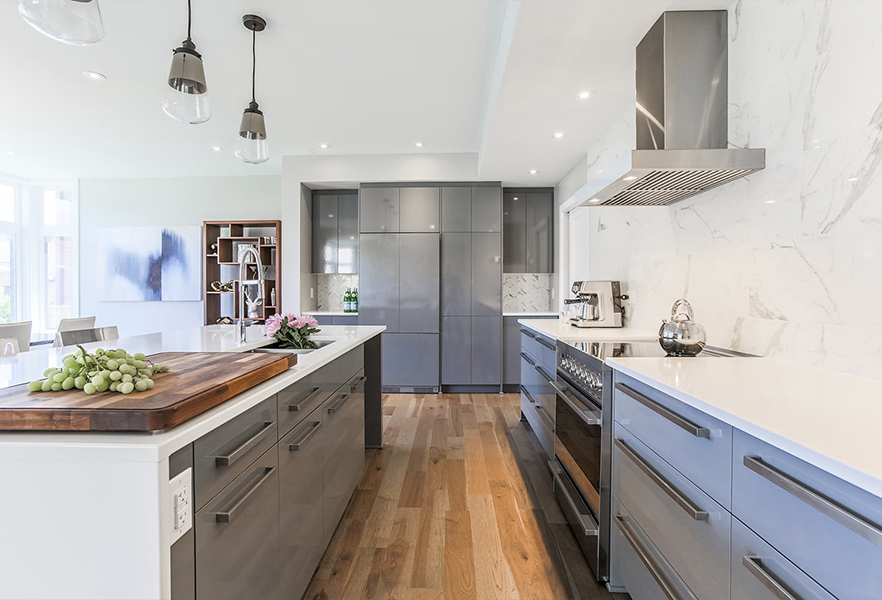
What Delays a Custom Home Project?
Not every delay is avoidable, but many can be reduced with better planning.
Some of the most common causes of timeline changes include:
1. Design revisions
Frequent changes during the design process or after construction starts can add time.
2. Permit and approval complexity
Some lots or home designs require more review than others.
3. Product availability
Specialty finishes, imported materials, or custom features can affect scheduling.
4. Site conditions
Unexpected grading, soil, drainage, or servicing issues can slow the start.
5. Weather
Ottawa weather can affect site work, deliveries, and construction sequencing.
6. Late selections
Waiting too long to choose finishes, fixtures, or materials often creates bottlenecks.
This is why experience matters. A team that has managed projects through Ottawa conditions before can anticipate issues earlier and build better contingency into the process.
How Homeowners Can Help Keep the Timeline on Track
Homeowners play a bigger role in the timeline than they might expect.
A few smart habits can make a real difference:
- Be clear about priorities from the start
- Finalize design decisions as early as possible
- Approve selections on time
- Avoid unnecessary mid-project changes
- Ask questions early instead of waiting
- Work with a builder who communicates clearly and plans carefully
A good custom home experience is not just about craftsmanship. It is also about structure, communication, and trust.
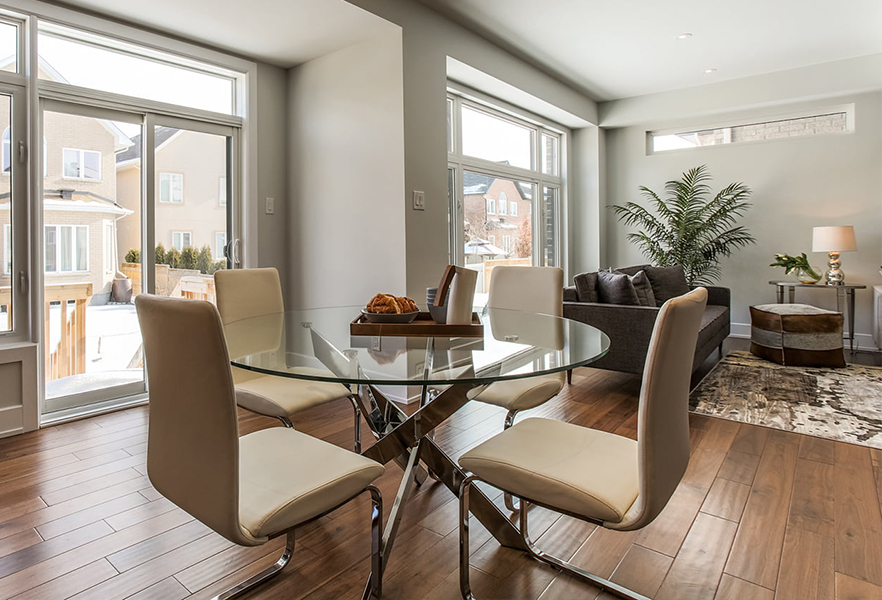
Why the Right Builder Makes the Timeline Feel Easier
The best builders do more than build homes. They guide people through a complex process with clarity.
That matters because most homeowners are not just asking, “How long will this take?” They are really asking:
- What happens next?
- Where could things slow down?
- How do I prepare?
- Who is coordinating all of this?
Our team answers those questions before they become problems.
We approach each project with a clear process — coordinating design, approvals, and construction as one continuous workflow. It means fewer gaps between stages, more consistent communication, and a better understanding of what’s happening at every step.
With decades of experience building in Ottawa, we’re able to anticipate challenges early, guide decisions as they come up, and keep the process moving with more clarity and less uncertainty.
Because when the process is well managed, the timeline doesn’t just feel shorter, it feels easier to navigate.
You can also learn more about our history in Ottawa and how that experience shapes each project.
What to Expect Moving Forward
A custom home is a detailed process, but it shouldn’t feel unpredictable.
While every project is different, most timelines are shaped by the same core stages: design, approvals, site work, construction, and finishing. When each phase is approached with clarity and aligned early, the entire process becomes more consistent from start to finish.
From our experience, the difference is in how those stages are managed. With the right structure in place, decisions are easier to navigate, timelines are easier to anticipate, and the overall experience feels far more straightforward.
If you’re considering a custom home in Ottawa, working with a team that understands both the process and the local conditions allows you to move forward with confidence, knowing what to expect at each step.
Book Your Personal Design Consultation
Frequently Asked Questions
How long does it take to build a custom home in Ottawa?
Most custom homes take about 12 to 24 months from early planning to move-in, depending on design complexity, permits, lot conditions, and selections.
What stage usually takes the longest in a custom home project?
Design development and permits can take longer than many homeowners expect, especially if revisions or additional approvals are needed.
Do Ottawa permits slow down custom home timelines?
They can. Permit timing depends on the project scope, submission quality, and whether extra planning review is required.
Can weather affect a custom home build in Ottawa?
Yes. Winter conditions, spring thaw, and wet site conditions can affect excavation, site work, and sequencing.
What can homeowners do to keep a custom home build on schedule?
The best ways are to make decisions early, finalize selections on time, avoid major mid-project changes, and work with a builder who manages communication well.
Is move-in possible right after construction is complete?
Not always. Final inspections, walkthroughs, corrections, cleaning, and documentation usually happen before the home is truly ready for occupancy.